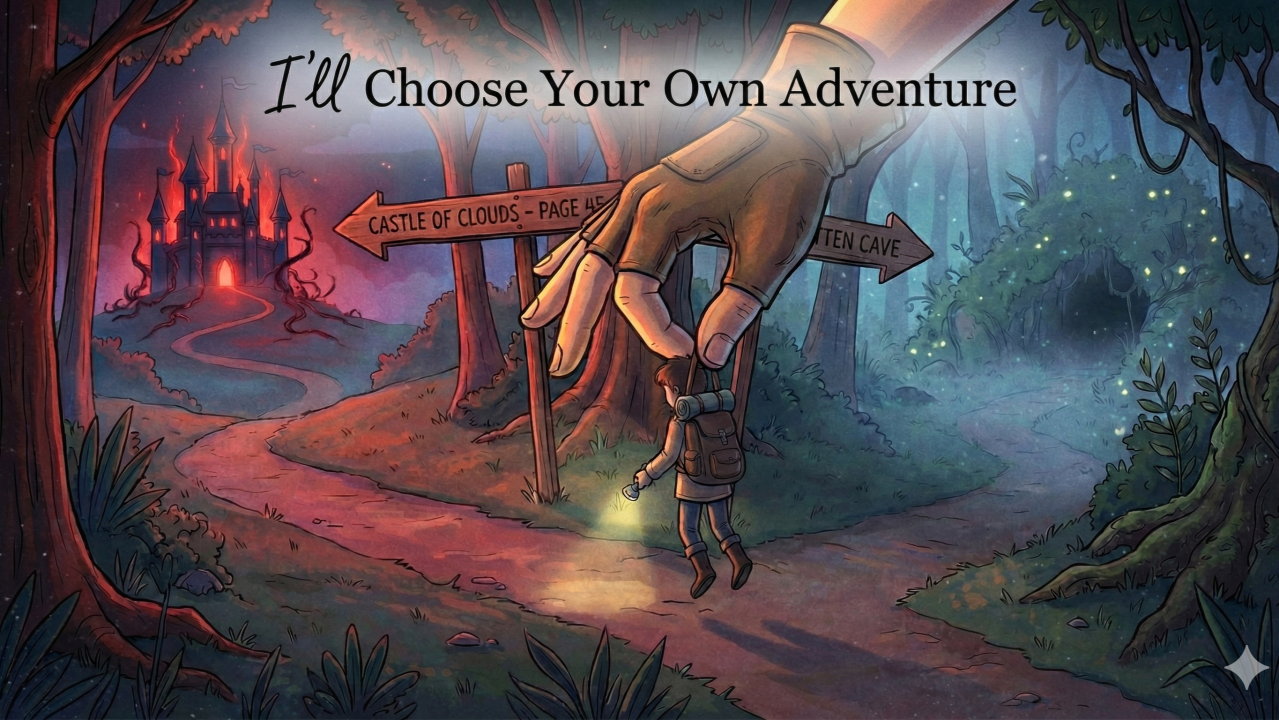
Remember “Choose Your Own Adventure” books?
Turn to page 42 if you want to explore the cave. Turn to page 87 if you run away.

I’ve been thinking about those books because of my ongoing war with streaming algorithms.
I watch horror. Action thrillers. Dark psychological dramas. Hundreds of hours of it.
Yet streaming services keep recommending regency dramas and historical romances.
Not because of what I watch. Because of who they think I am.
Female. Suburban. 40-something.
It’s not just wrong. It’s insulting.
Every recommendation says: “I don’t trust your choices. I trust your demographic category.”
That’s not personalization. That’s stereotyping at scale.
The Conversation We’re Not Having
Everyone talks about personalization.
71% of consumers expect it. Companies that excel at it generate 40% more revenue than average performers.
But here’s what almost no one discusses: HOW to do it without alienating the people you’re trying to reach.
The debate stays stuck on:
- What data to collect
- Which tools to use
- How accurate the predictions are
But we skip the most important question: WHY do people want personalization in the first place?
And if you don’t understand the why, you can’t build the how.
The Psychology Behind “Being Seen”
Here’s what the research shows:
The need to be recognized as an individual isn’t about convenience. It’s about identity affirmation.
Psychologists Roy Baumeister and Mark Leary established that the “need to belong” is a fundamental human motivation—as essential as food or shelter. But belonging has two dimensions – assimilation and differentiation:
- Being part of a group (community)
- Being recognized as a unique individual within that group
When brands fail at the second part—when they reduce you to a demographic category despite your demonstrated behavior—it triggers a specific kind of psychological harm.
You’re being told: “Who you demonstrate yourself to be doesn’t matter as much as what category we’ve placed you in.”
That’s not a minor annoyance. That’s identity negation.

The opposite is also true:
When someone asks about your preferences, learns from your behavior, and adjusts based on what you tell them—that’s identity affirmation.
Research shows customers who feel emotionally connected to a brand have:
- 306% higher lifetime value
- 71% likelihood of recommending vs 45% for merely satisfied customers
But here’s the critical insight: Emotional connection isn’t created through accurate inference. It’s created through recognition.
Asking = “I see you as an individual.” Inferring = “I see you as a category.”
One creates joy. The other creates alienation.
The Shift: From Brand Metrics to Consumer Psychology
Something significant happened in late 2025.
Major platforms stopped optimizing purely for their own metrics and started giving users control:
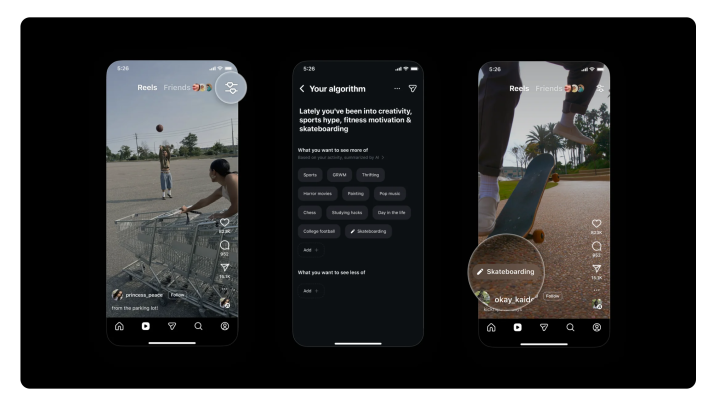
Instagram (December 2025): Launched “Your Algorithm” — showing users what topics it thinks they care about and letting them adjust with sliders. Users can now share their topic preferences to Stories. Now, clearly Instagram wants to tell you what you “want” – but it’s more about what makes you engage more. So the decision to let people decide what they actually want to see is quite transformative. On the other hand, with growing public discourse around social media’s mental health impacts, Instagram’s choice to offer control may be as much about user retention as engagement optimization.
Spotify (December 2025): Introduced “Prompted Playlists”— users can tell the algorithm what they want in natural language. Added “Exclude from Taste Profile” so one kids’ song doesn’t derail your entire recommendation engine.
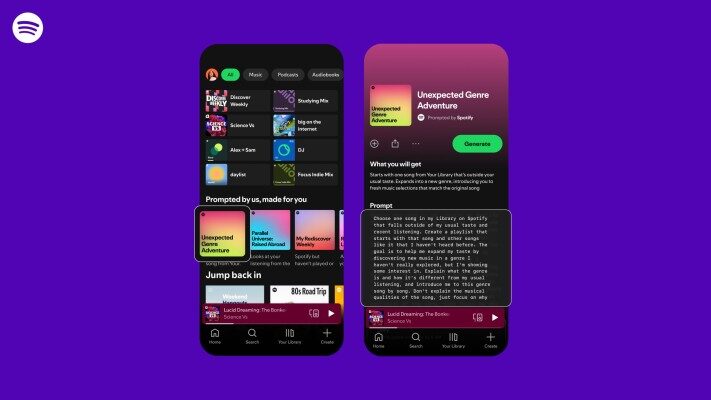
According to the company: “We’re entering a moment where you don’t just listen to Spotify, you control it. Imagine a Spotify that doesn’t just passively learn from you but literally listens to you. One you can steer and shape with your own words. For the first time, your ideas, your logic, and your creativity can actually power the Spotify algorithm, directing how it thinks, adapts, and responds to you.”
The company’s message aligns with the Joy Dividend thesis: “This new feature is part of a broader shift in how we think about personalization and what we think consumers will expect from their services in the future. Our goal is to make Spotify more personal, more responsive, more intelligent, and more aware of the world and culture around it, in order to bring greater value to listeners, artists, and creators.”
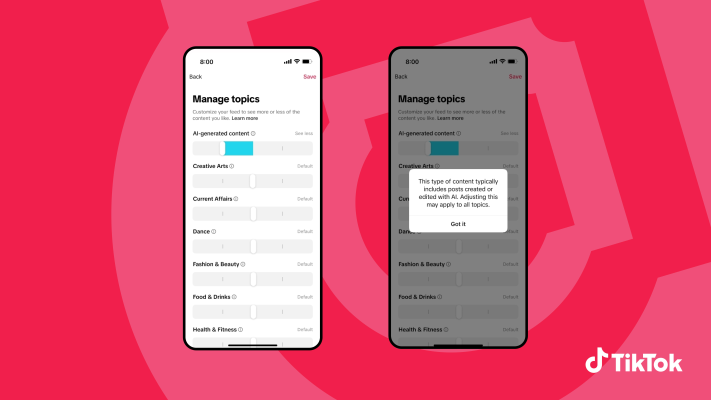
TikTok: Expanded topic sliders, feed reset options, and AI content controls — acknowledging that users understand their own preferences better than the algorithm’s guesses.
Instacart: Recognized that 70% of users have dietary preferences, then built a Health Tag system that asks users to declare them upfront rather than inferring from purchase history.
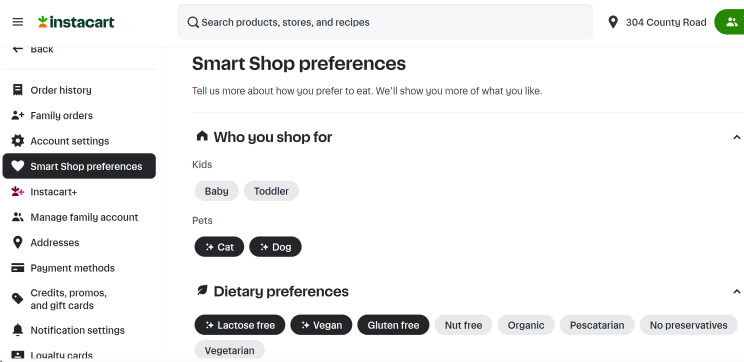
According to Sarah Mastrorocco, VP and General Manager of Instacart Health: “With Smart Shop technology and Health Tags, we’re giving consumers the power to personalize their experience, with tools to filter and discover the best options for their unique preferences… Whether you’re managing a chronic condition like diabetes or simply looking to make more informed food choices, we’re here to help make grocery shopping simpler and more personalized.”
The shift: from guessing based on cart contents to asking what matters—and giving users control over the discovery process.
This isn’t altruism. It’s smart business.
The old model:
- Optimize for engagement time
- Infer from demographics
- Override stated preferences with “what works”
- Measure success by session length
The new model:
- Optimize for satisfaction
- Ask for declarations
- Learn from behavior + stated intent
- Measure success by return rate and sentiment
Why the shift?
Because the old model was creating alienation at scale. And alienation is expensive.
The Business Case for Agency
Here’s what we know from the data:
Customer Effort Score is 1.8× more predictive of loyalty than satisfaction alone.
When you force customers to constantly correct your algorithm—scrolling past regency dramas, hiding kids’ content, resetting feeds—you’re creating cognitive work.
That effort accumulates into frustration. Frustration accumulates into churn.
But when you ask upfront and let people declare preferences:
- 82% of consumers are willing to share data when the value exchange is clear
- 69% prefer personalization based on data they explicitly shared
The competitive advantage isn’t in having more data. It’s in respecting what the data means.
The Consumer-Focus (Agency First) Implementation
Philosophy: You know yourself. We learn from you.
Approach:
- Behavioral data + stated preferences
- Optimize for satisfaction and control
- Ask directly, then learn continuously
- Corrections happen proactively (system adapts)
Example 1: Sephora and Ulta ask about skin type, concerns, and preferences upfront—then explain why each product is recommended. Declarations + behavior + transparency.
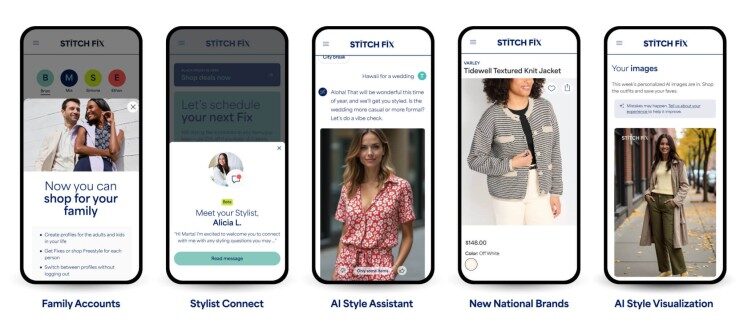
Example 2: Stitch Fix combines AI predictions with human stylists and transparent feedback loops. Since implementing this hybrid approach alongside UX improvements, the company reports 17% YoY increase in client reactivations and improved retention.
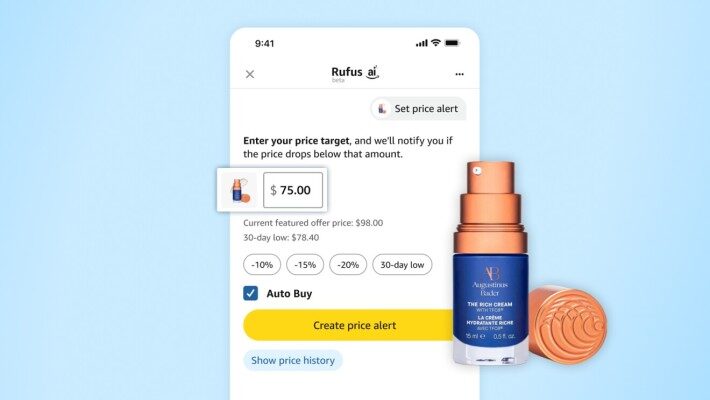
Example 3: Amazon Rufus demonstrates that personalization and agency aren’t mutually exclusive. Rufus absolutely uses your purchase history, browsing data, and preferences—but the interaction is customer-initiated and customer-controlled. You ask “show me waterproof hiking boots under $150” and Rufus uses what it knows about your fit preferences and past purchases to refine results. But you set the parameters (price, waterproof, hiking) rather than receiving algorithmic recommendations based on demographic patterns. You can even set a desired price point to be notified about.
Result: Customers who use Rufus are 60% more likely to complete a purchase because they’re getting what they asked for, not what an algorithm guessed they wanted.

Business Outcome: ✓ Lower session time (people find what they want faster) ✓ Higher satisfaction (agency reduces resistance) ✓ Durable loyalty (emotional connection through recognition)
Why Joy Is the Competitive Moat
The 40% revenue advantage for personalization still exists.
But the path to achieving it has fundamentally changed.
It’s no longer: “Be more accurate at predicting behavior.”
It’s: “Create joy by making people feel seen.”
- Being asked = respect
- Being heard = recognition
- Being remembered = connection
That’s why Instagram’s topic controls work even if most people don’t adjust them—the option itself signals: “We trust you to know what you want.”
What This Means for 2026 Strategy
If you’re planning personalization initiatives, here’s the framework:
Start with the WHY: People want personalization because being recognized as an individual is a fundamental psychological need.
Build the HOW around that:
- Ask directly — Use zero-party data (stated preferences) as your foundation
- Learn continuously — Layer behavioral signals on top of declarations
- Enable adjustment — Give users visible control over their experience
- Explain recommendations — Transparency builds trust (“We’re showing you this because…”)
- Respect corrections — When someone says “not interested,” believe them
Measure what matters:
- Customer Effort Score (not just engagement time)
- Sentiment and emotional response (not just clicks)
- Return rate and loyalty (not just conversion)
The brands winning this shift aren’t the ones with the most sophisticated inference engines.
They’re the ones who understand that recognition > prediction.
So… Let Customers Choose Their Own Adventure
Ask, don’t assume. Listen to behavior, not demographics. Empower, don’t override.
Because when you make people feel seen—genuinely seen, as individuals with agency—they reward you with something no algorithm can fabricate:
Trust that lasts.