CES 2026 and the Rise of Joyful Design
Here’s the shift CES 2026 made impossible to ignore: when products stop competing on features, they start competing on feelings.
I’ve seen this pattern play out across industries for 25 years. When functional differentiation flatlines, emotional value rushes in to fill the gap.
It happened in CPG when every detergent cleaned equally well. In automotive when safety ratings converged. In smartphones when specs stopped mattering to most buyers.
At CES 2026, it happened to the entire tech industry at once.
The show floor wasn’t dominated by new sensors or faster chips. It was dominated by promises of calmer nights, better focus, reduced stress, and less loneliness.
This wasn’t altruism. It was competitive necessity.
When every wearable tracks heart rate variability and every smart mattress monitors sleep stages, what’s left to compete on?
How the product makes you feel.
Features Are Emotional Now. Most Brands Stop Too Early.
Here’s what CES 2026 got half-right: the features have shifted toward emotional outcomes. Sleep tracking, stress monitoring, mood regulation, companionship — these are now product capabilities.
But features aren’t benefits. And most companies stopped one step short.
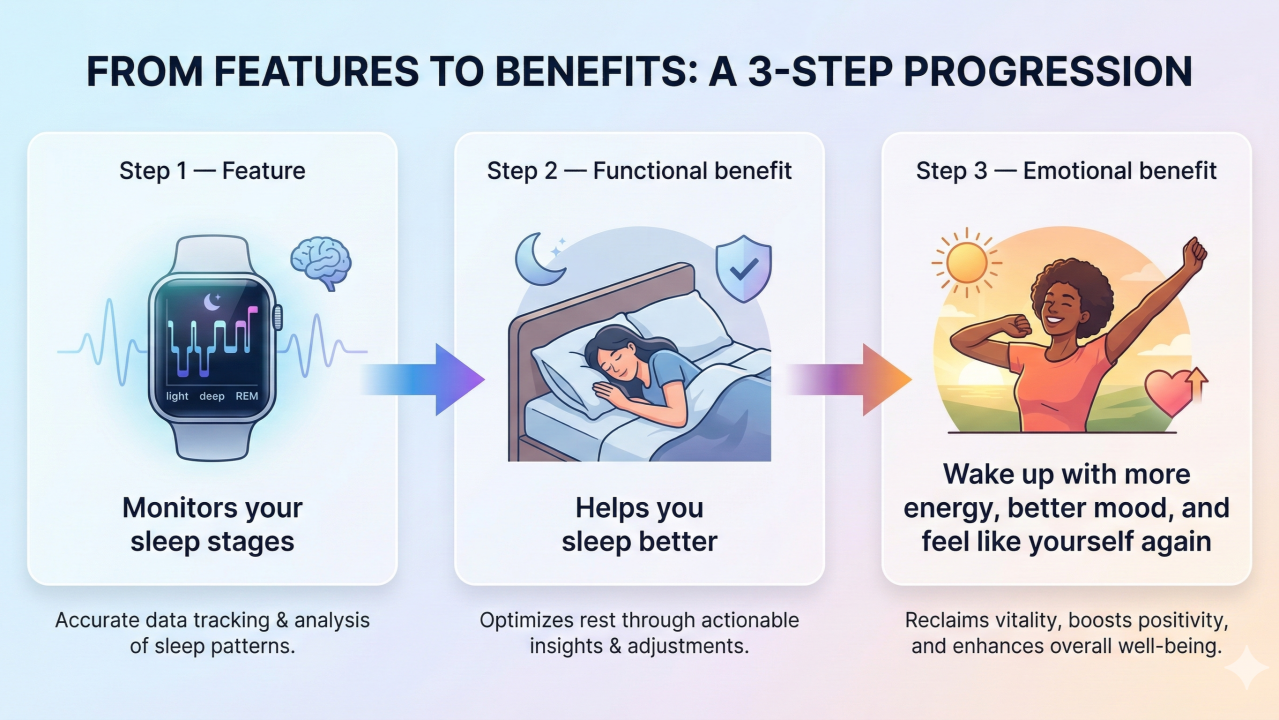
Think of it as a ladder:
- Step 1 — Feature:“Monitors your sleep stages”
- Step 2 — Functional benefit:“Helps you sleep better”
- Step 3 — Emotional benefit: “Wake up with more energy, better mood, and feel like yourself again”
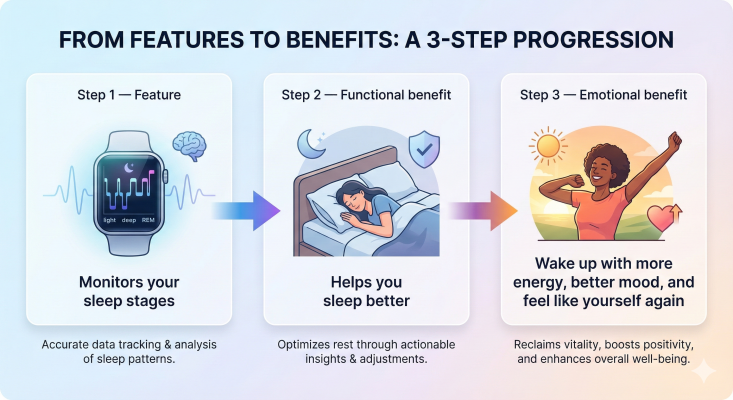
Most CES products climbed to Step 2 and stopped. Better sleep. Reduced stress. Improved focus. These are outcomes, but they’re still functional — they describe what the product does for you, not how it makes you feel about your life.
What Step 3 Looks Like
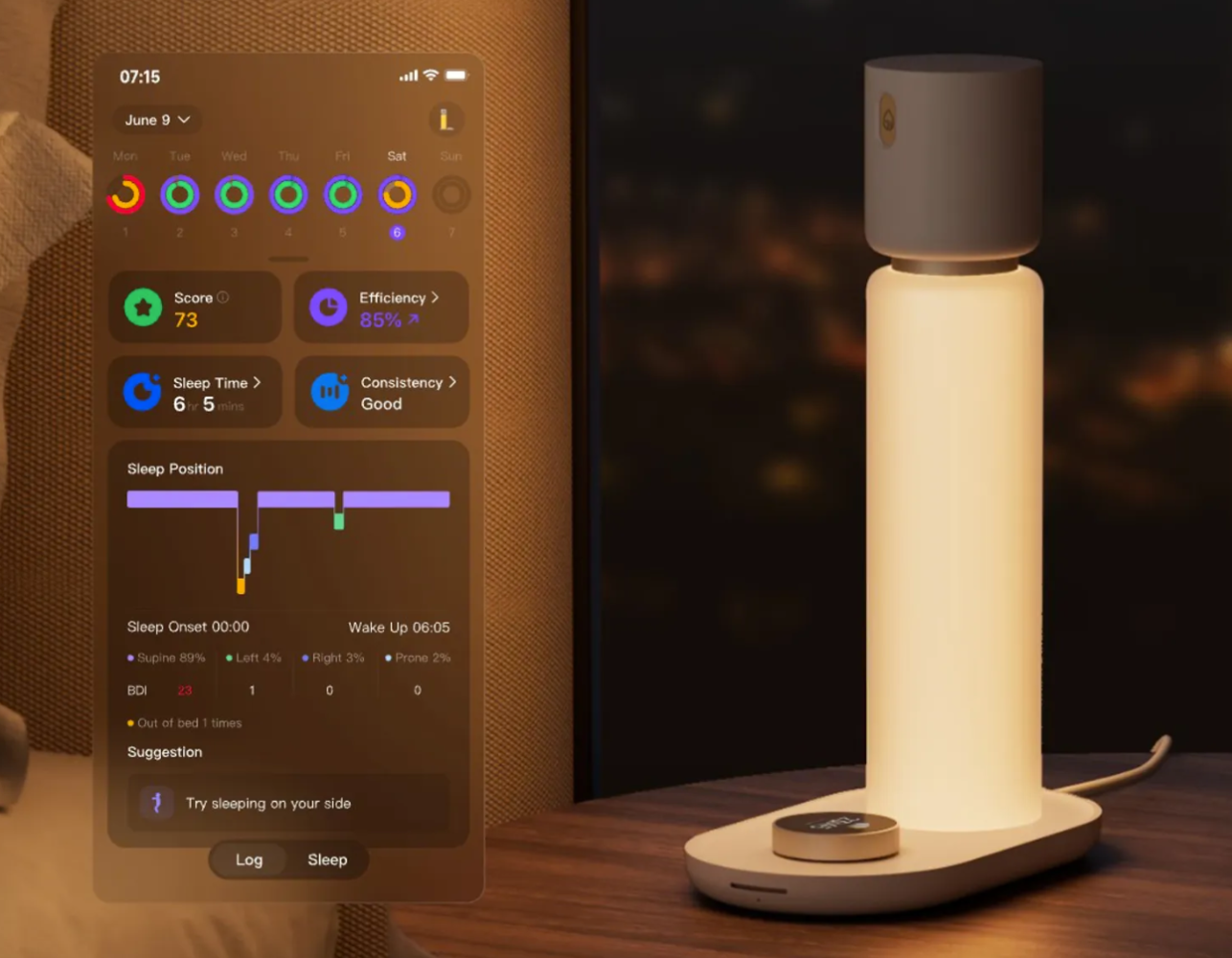
Sleepal AI Lamp — The feature is contact-free sleep tracking with smart lighting and guided meditation. The functional benefit is enhanced sleep quality. But the CES description goes further: it “enhances sleep quality and supports better energy, mood, and balance throughout the day.” That’s Step 3 — connecting a nighttime device to how you show up tomorrow.
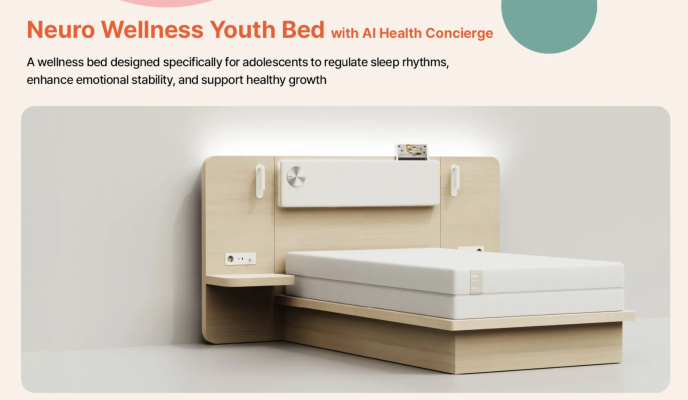
Neuro Wellness Youth Bed — A smart mattress using light, scent, sound, and temperature. The functional benefit is restorative sleep. The emotional benefit: bolstering adolescents’ emotional well-being and learning capabilities. Not “sleep better” but “feel and function better.”
Sunbooster Light Bar — Clips to your monitor, projects near-infrared light. The functional benefit replaces missing natural sunlight. The emotional benefit: avoiding the low-energy, low-mood slump of indoor workdays. A light fixture pitched on how you’ll feel at 3pm.
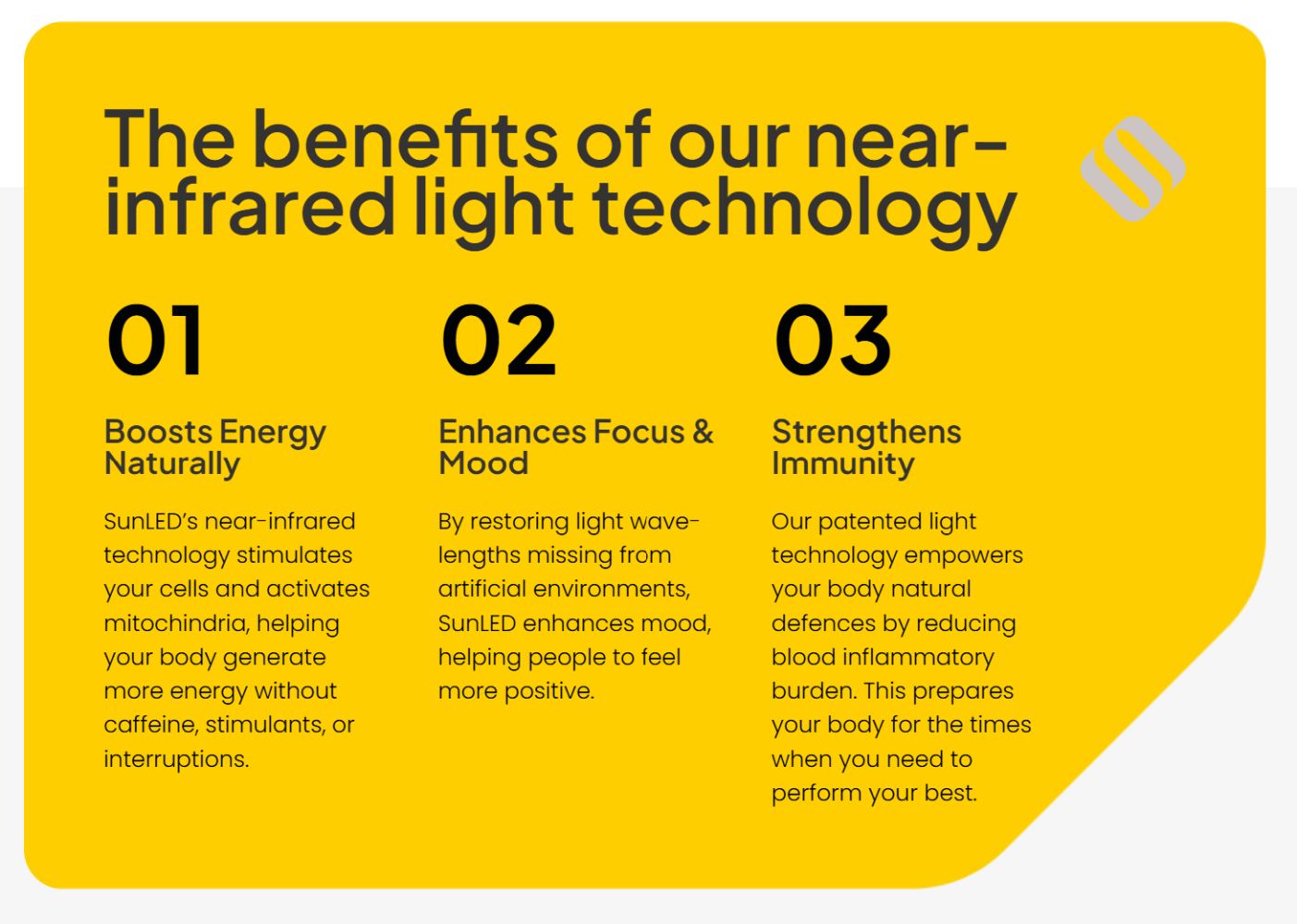
The pattern: these products traced their features all the way to the emotional payoff. Most didn’t.
The Shift in How Value Gets Pitched
Before 2024, the American Psychological Association didn’t have a formal programming track at CES. In 2024, APA launched its PsyTech track, and by 2026 it was running a three-session Behavioral Intelligence track on AI-driven mental and behavioral health tools. Psychology claimed territory at a consumer electronics show because emotional outcomes had become a selling point worth professionalizing.
LG’s keynote introduced “Affectionate Intelligence” — not a product, a corporate philosophy. Samsung unveiled “Brain Health” features. Panasonic built a “Family Wellness” ecosystem. The language tells the story. In 2023, product copy read: “Tracks heart rate variability, sleep stages, blood oxygen.” In 2026 we are seeing “Makes you feel heard and understood.”
But look closer at most product pages and you’ll still see Step 2 language. Better sleep. Reduced stress. Improved focus. The emotional-feature arms race is on, but the emotional-benefit articulation is lagging behind.
That’s the gap. And it’s an opportunity.
Three Territories Where Step 3 Is Emerging
Stress → Emotional stability. For years, devices told you that you were stressed. Now products like WillSleep and the Reconcept pod promise to regulate it — and frame the outcome as feeling calmer, more resilient, less overwhelmed. Not “manage your stress” but “feel like yourself again.”
Isolation → Belonging. The Surgeon General compared loneliness to smoking 15 cigarettes a day. Companion robots (Lepro Ami, An’An, Tombot’s Jennie, OLLOBOT, Cocomo) now target specific isolation contexts: remote workers, elderly adults, people in memory care. The Step 3 framing isn’t “stay connected” — it’s “feel less alone in the room.”
Data → Validation. Women’s health moved from margins to mainstage, with products treating hormones and menopause as emotional wellbeing issues. For a population historically dismissed, the emotional benefit isn’t the data — it’s being taken seriously. Acknowledgment as product feature.
The Risk of Stopping at Step 2
When everyone claims emotional features but few articulate emotional benefits, two things happen.
First, it all sounds the same. Better sleep. Less stress. More focus. These are becoming table stakes language — functional claims dressed in wellness vocabulary. Differentiation erodes.
Second, skepticism rises. CES 2026’s “Worst in Show” awards targeted AI companions for emotional surveillance and smart fridges disguising ads as wellness. When emotional claims feel hollow or unearned, backlash follows.
The brands building defensible positions are the ones who can answer: What does this actually feel like for the person using it? What emotional state do they get to that they couldn’t reach before?
That’s harder to copy than a feature list.
The Question for CMOs
The pattern I described at the top — emotional claims filling the gap when features commoditize — isn’t unique to CES or health tech. It’s a predictable phase in category maturation.
But most companies stop at Step 2. They add emotional features and assume the benefit is obvious. It isn’t.
The opportunity is Step 3: tracing your product’s capabilities all the way to the emotional outcome your customer actually experiences. Not “monitors your sleep” but “wake up feeling like yourself.” Not “reduces stress” but “feel steady when everything else isn’t.”
Where has functional differentiation stalled in your category? And can you articulate — specifically, credibly — how your product makes someone feel?
CES 2026 didn’t invent joyful design. It showed what happens when an entire industry arrives at emotional features but hasn’t yet mastered emotional benefits. The gap is yours to fill.
Most brands know whatthey do.
Very few can articulate how it feels when it works.