I was one of those 1.1 million people.
On New Year’s Eve 2025, I sat in a packed theater watching the Stranger Things finale. I was clapping during the big reveals, gasping at the scary parts, and shouting at the screen during the final battle.
And yes, shedding tears at the end.
(According to my children, this last part was just me. They maintain I was “embarrassingly emotional.” I maintain they have hearts of stone.)
Here’s the paradox: I could have streamed this exact episode at home. For free. In my pajamas. While eating leftover vegan cookies.
Instead, I drove to a theater, paid for tickets, sat among strangers, and experienced something I technically already owned.
And so did 1.1 million other people that night.
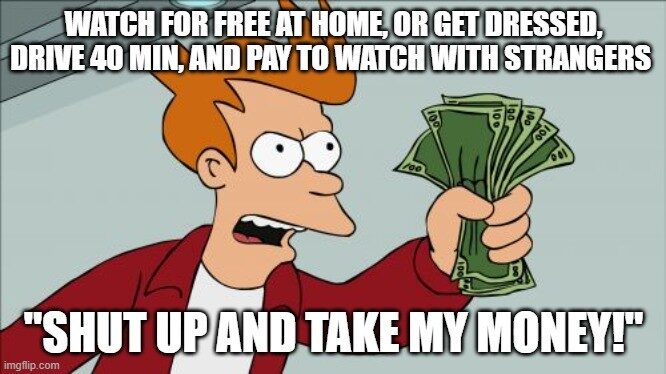
In just two days, consumers spent $15 million on content they could have watched for free at home, at AMC alone.
Why?
As someone who has spent 25 years studying consumer behavior, I had to understand what was happening here. Why do we pay for content we already have?
The answer isn’t about content. It’s about synchrony.
The Science: Joy Shared Is Joy Multiplied
When people experience things together, their brains don’t just respond similarly. They literally synchronize.
A landmark meta-analysis of 182,738 participants found that shared emotional experiences rank among the strongest predictors of human well-being ever measured.
Translation: Joy shared is joy multiplied.
Sitting in that theater, I wasn’t just watching a TV finale. I was experiencing it amplified by 500 other nervous systems in the room.
Here are the three things that happen in your customers’ brains during shared experiences:
1. Neural Coupling (The “Click”) Princeton neuroscientist Uri Hasson found that when people listen to the same story, their brains start firing in sync—like a room full of metronomes clicking together. Researchers at UCL even found that theater audiences’ hearts eventually beat in unison.
2. Emotional Contagion (The “Ripple”) Wharton researcher Sigal Barsade proved emotions spread like viruses. In a packed theater, one gasp triggers another. Laughter cascades. Tension ripples. When you bring customers together, the joy compounds automatically.
3. The Chemical Bond (The “Glue”) Synchronized activities trigger endorphin release. But here is the kicker: Synchrony specifically drives this effect. Dancing alone is exercise. Dancing together is bonding.
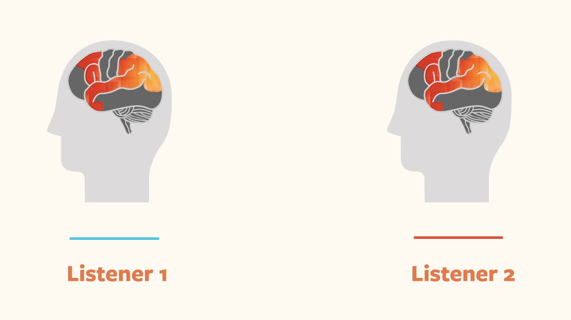
This explains why 1.1 million people chose crowded theaters. They weren’t paying for pixels on a screen—they were paying for the neurological amplification of experiencing it with others.
The Joy Dividend: The ROI on Creating Connection
In a world of infinite free content, the scarce resource isn’t information—it’s synchronized human connection.
This is the Joy Dividend in action.
Brands that create collective experiences can charge premium prices in markets where competitors are racing to zero.
Here is what that looks like in practice:
The Puppy Yoga Paradox Puppy yoga studios charge $35-50 per class. I have five dogs. They interrupt everything I do for free. Constantly.
- At home: A dog knocking over my water bottle triggers frustration.
- In class: The same dog knocking over a bottle triggers collective laughter.
- The Insight: The brain codes the experience differently when others are mirroring your reaction.
The Nike Run Club Effect Nike organizes 50,000+ free group runs annually.
- The Stat: Runners who participate spend 3-4x more on Nike products than solo runners.
- The Insight: The app tracks solo runs just fine. But the magic happens at 6 PM on a Tuesday when 30 strangers struggle up a hill together. They aren’t buying superior shoe technology; they are buying tribal identity.

Harley-Davidson’s “Visceral Sync” Local H.O.G. chapters organize rides where 50 bikes leave simultaneously.
- The Stat: These rallies generate 80% brand loyalty when owners upgrade.
- The Insight: The rumble of 50 engines in sync creates a visceral physical experience you cannot replicate alone.

Why This Matters Now: The Loneliness Opportunity
Here is the uncomfortable truth: 30% of U.S. adults feel lonely at least once a week. The Surgeon General compares the health risk of this isolation to smoking 15 cigarettes a day.
We have built technologies that connect us informationally while disconnecting us experientially. We share content, but not moments.
This is your opportunity.
The brands that understand this won’t just win market share. They will fulfill a fundamental human need going unmet in modern life.
The shift required is simple but profound:
- From “How do I reach more individuals?” to “How do I bring people together?”
- From “How do I personalize content?” to “How do I synchronize experiences?”
- From “How do I increase engagement?” to “How do I facilitate bonding?”
This isn’t about abandoning personalization. It’s about recognizing that the next competitive frontier is collective experience design.
Want to explore more about where people are finding connection in our digital age? Check out my recent post on “fourth places” and the evolution of gathering spaces.
The Bottom Line
The Community & Connection pillar of The Joy Dividend framework recognizes that in our isolated age, creating spaces where customers experience things together isn’t just good business.
It’s the antidote to the lonely algorithm.
Building something that brings people together?I’d love to hear what’s working.
P.S. If you want to dive deeper, The Joy Dividend book (featuring the full 4-pillar framework) is out now.