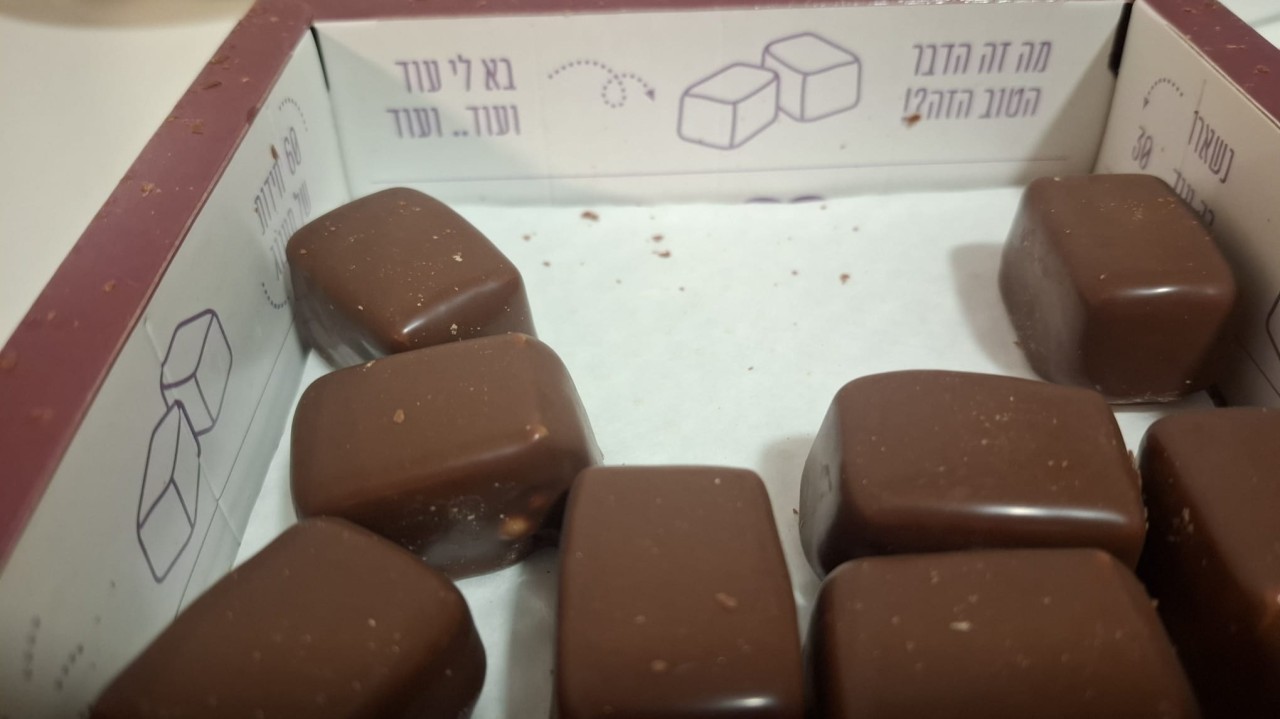
My sister called me after reading the Joy Dividend book, to discuss ice cream of all things.
Specifically, the funny little messages her favorite brand hides inside the wrapper — the ones you only see after you've already bought the product, already opened it, already committed. Messages like "What is this good thing?!" and "What? There are more bites under here?!"
"It's not selling me anything," my sister said. "It's just... funny. I feel seen."
She's right. And that "just fun" is worth unpacking — because hidden messages on packaging may be the purest expression of what makes the Joy Dividend work.
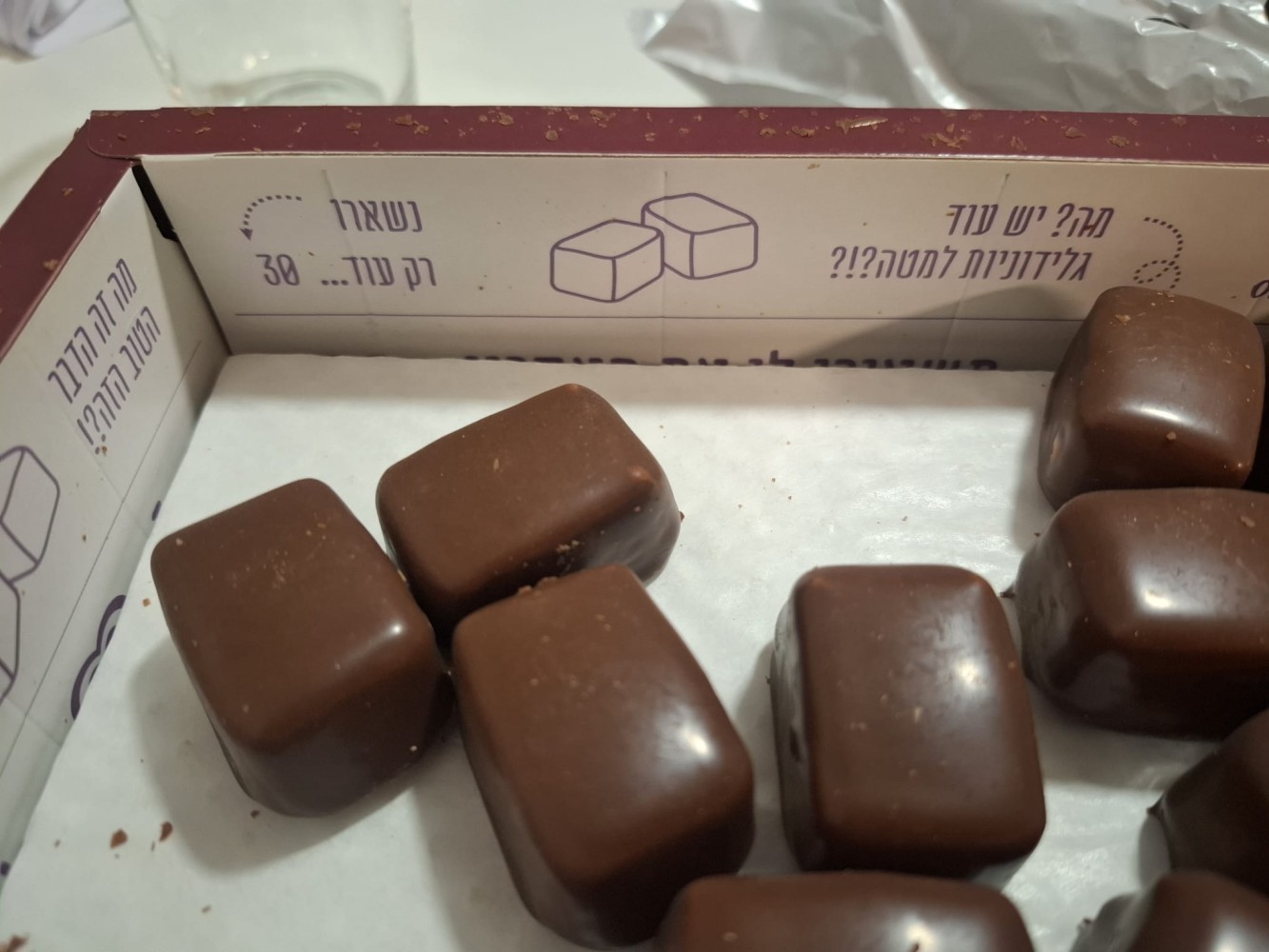
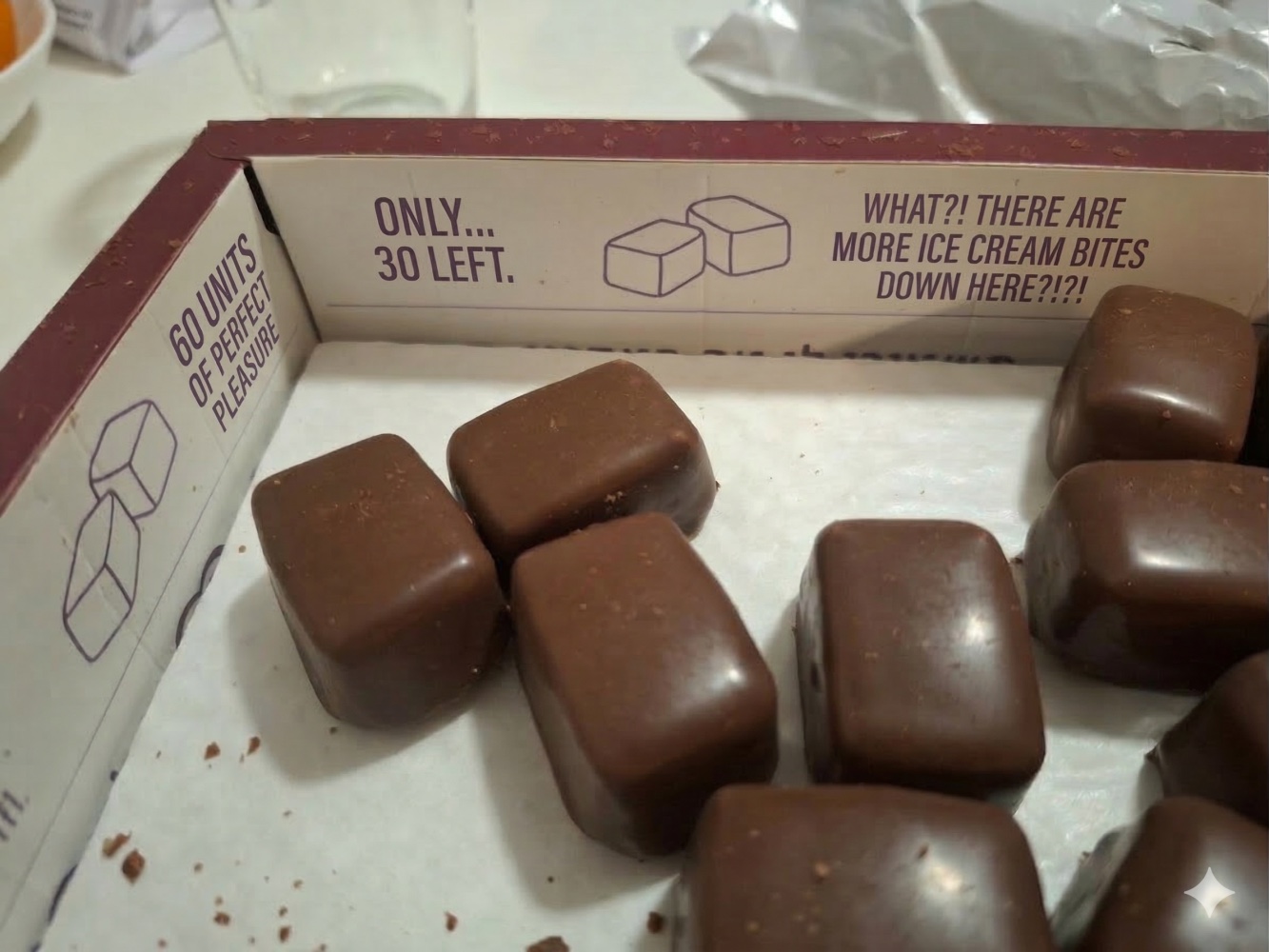
The Real Estate Nobody Optimized
Think about the inside of a bottle cap. The underside of a wrapper. The bottom of a carton. The back panel of a juice bottle. These are spaces that serve no functional purpose. No marketing team in the history of business ever sat in a boardroom and said, "You know what will drive Q3 revenue? The inside of the lid."
And yet.
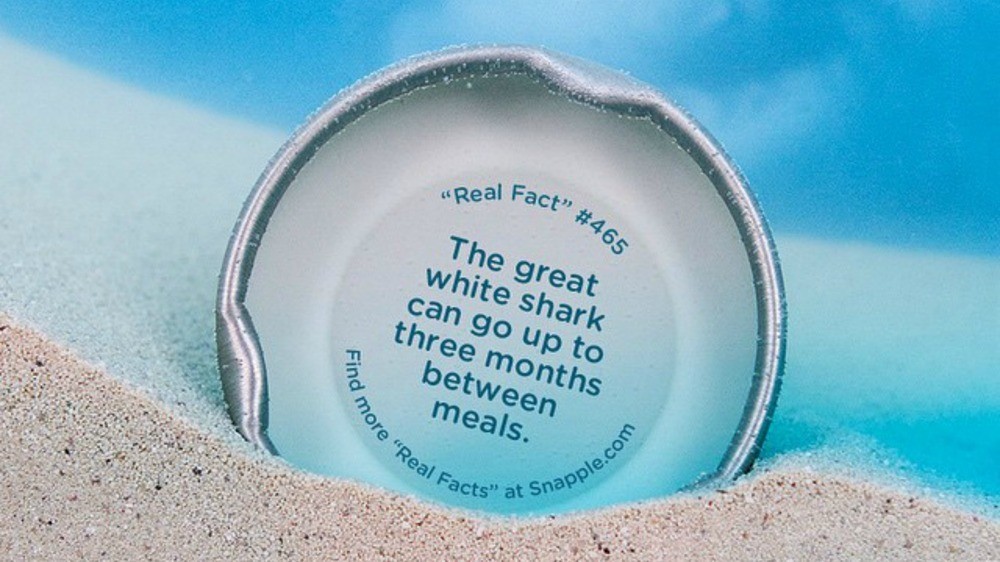
Snapple started printing trivia facts under its bottle caps in 2002. The marketing team had been looking for a way to "amaze and amuse" their drinkers, and someone noticed the unused real estate under the cap. Over two decades later, they've published more than 1,600 "Real Facts." The old metallic caps — the ones they stopped making when they switched to plastic — now sell for hundreds of dollars on eBay. Not the drinks. The caps.
Dove Promises prints little affirmations inside each chocolate's foil wrapper. From my experience as a notorious foil-wrappers straightener, I can also say that this creates a moment of relaxation - an ASMR experience - so hiding a message also encourages connecting to that moment.
Yogurt brands are often utilizing the lid as well - acknowledging that yes, you probably DO lick the lid, reader.
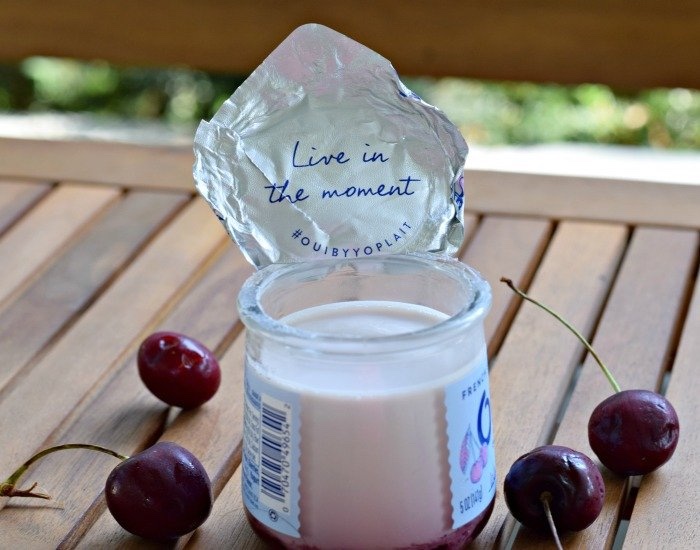
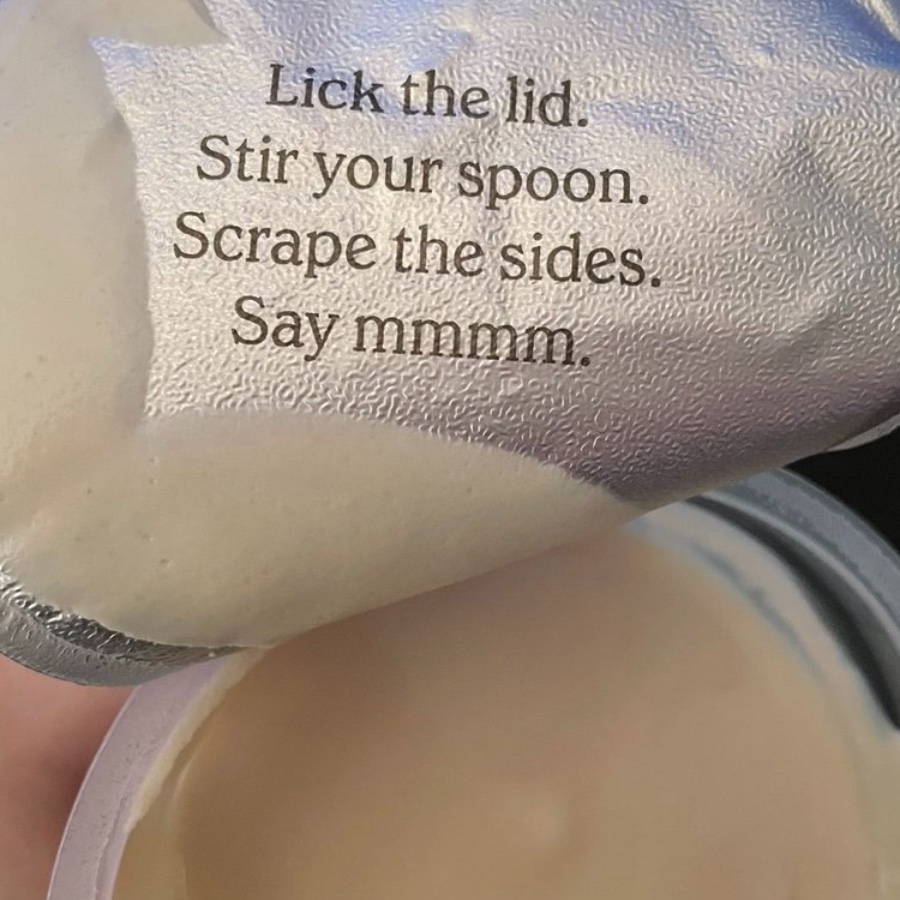
Here's what these have in common: zero functional value. These messages don't explain the product. They don't drive a purchase. They don't appear in any ad. They exist in spaces the customer has already passed through — post-purchase, post-decision, post-commitment. The only thing they do is make someone smile at a moment when the brand had no obligation to make them feel anything at all.
An Act of Faith — and Rebellion
The term "Easter egg" for a hidden feature actually comes from a very specific moment in 1980 — and the origin story is too good not to tell.
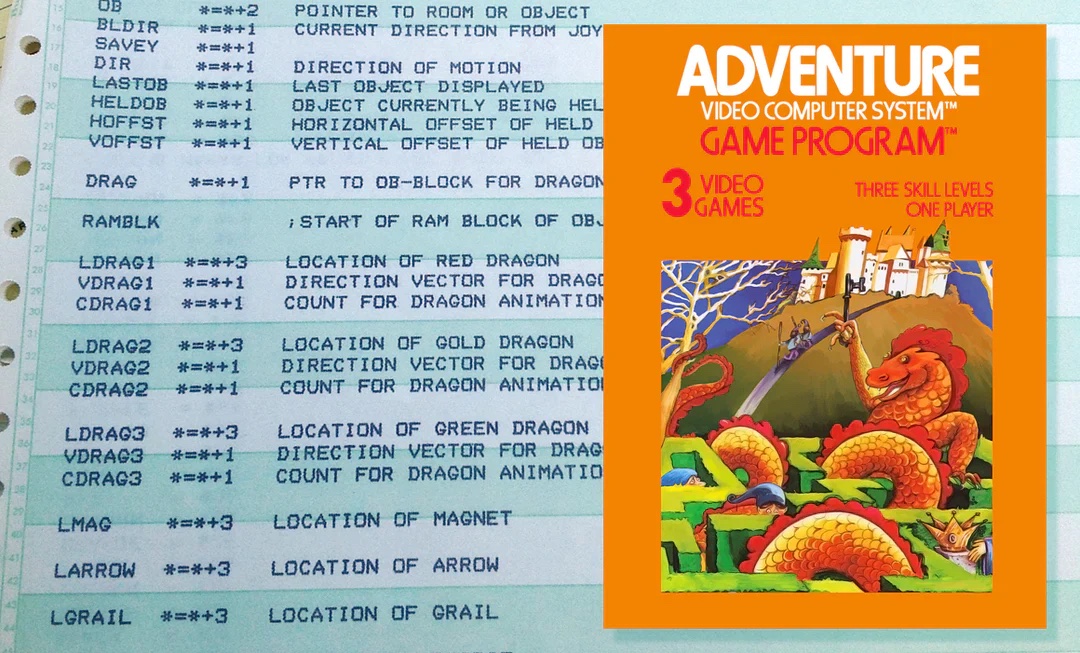
Warren Robinett was a 26-year-old game designer at Atari, making $22,000 a year with no royalties, working on a game called Adventure. Atari had a policy: no developer credits. The company didn't want programmers getting famous — it would give them bargaining power. Robinett was furious. So he did something quietly radical: he hid a secret room inside the game. If you found an invisible single-pixel object buried deep in a castle catacomb and carried it to exactly the right spot, a wall would open to reveal the text: "Created by Warren Robinett."
He told nobody. He quit. Atari shipped hundreds of thousands of cartridges with his signature embedded inside.
Months later, a fifteen-year-old kid named Adam Clayton found the room and wrote Atari a handwritten letter about it. Atari considered patching it out, but it would cost $10,000 for a new ROM chip. Instead, an Atari employee named Steve Wright had a better idea: he said finding hidden things in games was like an Easter egg hunt. Keep them. Encourage more.
From Defiance to Design Strategy
What started as one programmer's protest became one of the most durable traditions in technology. Through the 1990s, Microsoft developers competed to create the most elaborate hidden features: Excel 95 contained a Doom-style maze called "The Hall of Tortured Souls." Excel 97 had a flight simulator. Word 97 had a pinball game. These weren't approved projects — they were programmers smuggling play into the most utilitarian software on earth.
Microsoft officially banned Easter eggs in 2002, calling it a matter of "trustworthy computing." Steve Jobs banned them at Apple around the same time (but the ban did not last long).
Google, on the other hand, turned Easter eggs into brand personality: search "do a barrel roll" and the results page spins. Hit the spacebar on Chrome's offline error page and a hidden dinosaur runner game launches.
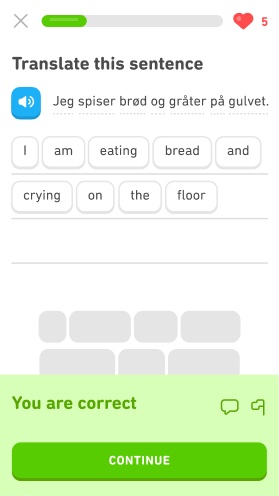
Duolingo slips absurd sentences into language drills. None of these are advertised. They're simply there, waiting.
And the packaging world never stopped. If anything, it's accelerated. Clothing tags with hidden jokes. Circuit boards with tiny illustrations etched into the silkscreen. Wine labels with stories that only appear when you peel off the front. Every one of these is a brand saying: We put something here for you, in a place you might never look, because we thought it would make you smile.
Why This Matters More Than It Should
Easter eggs violate every principle of efficient marketing. You can't guarantee anyone will see them. You can't A/B test them. You can't measure impressions. You can't attribute a conversion. They sit in dead space, invisible to most customers, generating no measurable return.
And yet they may be the highest-ROI brand investment you can make.
Here's why:
Discovery creates ownership. When you find something hidden, it becomes your story. You didn't receive a marketing message — you uncovered a secret. That's a fundamentally different emotional transaction. The customer goes from passive recipient to active participant, and that shift is where loyalty lives. Snapple drinkers don't just read the cap fact — they share it. They collect them. They argue about them online. The brand gave them a tiny gift, and they turned it into a community.
Hidden joy scales infinitely at near-zero cost. A Snapple fact costs nothing per unit. A Google search Easter egg costs a few hours of developer time and then delights millions. There is no media buy. There is no campaign window. It's always on, always there, always waiting. The cost is the creative effort to make it. The return is every single moment of surprise it generates, compounding forever.
Easter eggs are skippable — and that's the point. Unlike a pop-up ad or a loyalty program prompt, an Easter egg doesn't interrupt. It doesn't demand attention. It waits to be found. This is critical: the person who discovers it chose to look. That changes the power dynamic entirely. The brand isn't pushing; the customer is pulling. And in a world where every other touchpoint is optimized to capture attention, the thing that quietly waits is the thing that feels most human.
The absence of obligation is the message. When a brand hides something delightful in a space that has no commercial purpose, the subtext is unmistakable: We didn't have to do this. We did it because we wanted to. That registers differently than a loyalty perk or a promotional offer, both of which come with strings. An Easter egg is a pure gift — and pure gifts build the kind of trust that transactional generosity can't.
The Question Worth Asking
I sometimes describe what I do as "looking for the emotional real estate that businesses have overlooked". Easter eggs are the ultimate example: literal dead space on a product that someone decided to fill with joy instead of leaving blank.
So here's the question for your brand: What's the inside of your bottle cap?
Every business has dead space — the confirmation email nobody reads, the hold music nobody enjoys, the packaging insert that goes straight to recycling. In fact, recently, I had a Zoom call with Snappy, and before the Zoom started it played the Gifting Intervention video that made me chuckle instead of staring into the "someone will let you in" message and checking whether or not I have lipstick on my teeth.
Those "spaces" are opportunities hiding in plain sight. You don't need a budget. You don't need approval. You just need someone willing to hide something worth finding.
Because hiding something — in a wrapper, in a game, on a circuit board, under a lid — is an act of faith. Faith that someone will look. Faith that they'll care. Faith that a moment of unexpected delight, in a space where no one expected anything, is worth the effort of creating it.
Something your sibling, or your friend, will tell you about.
Hamutal "Tula" Schieber is the author of The Joy Dividend: How Brands Win by Reducing Stress and Sparking Delightand the founder of Schieber Research. She helps leaders in consumer goods, tech, and beyond turn market insights into competitive advantage through emotional connection.
Originally published in The Joy Dividend on LinkedIn.